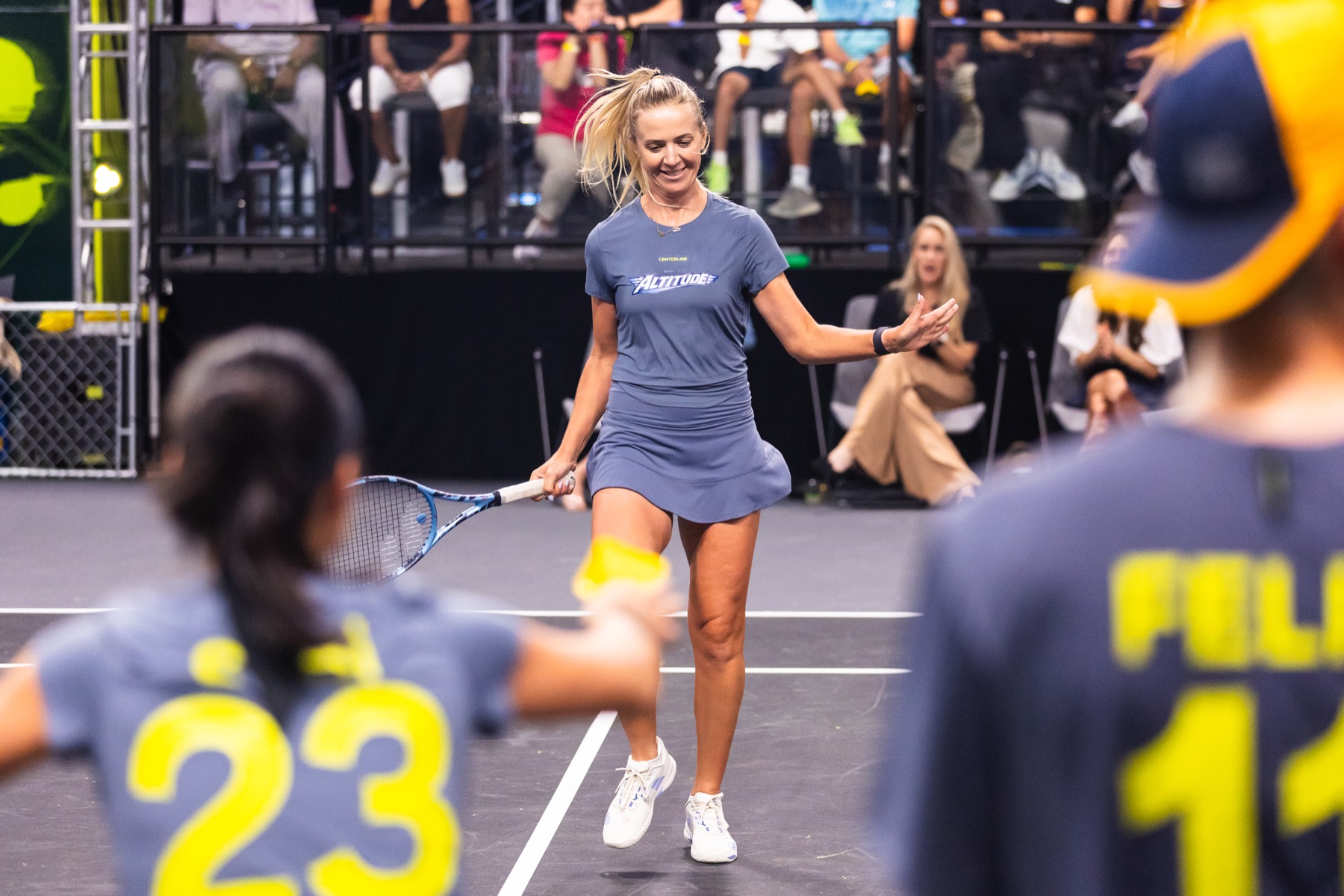
Prepared for DJ Irie and Brian Sidman · The Sting · Miami · September 2026
Miami’s summer team.
Miami’s tennis month is March. The Sting would give the city June and July — a professional team that trains here, plays here, and sounds like here. This is a picture of what that looks like.
A vision for the Sting in Miami · Eight sections, about five minutes
In the stands at INTENNSE Arena · Season 2
■ Already yours in part

First in the East. Now it needs a city.
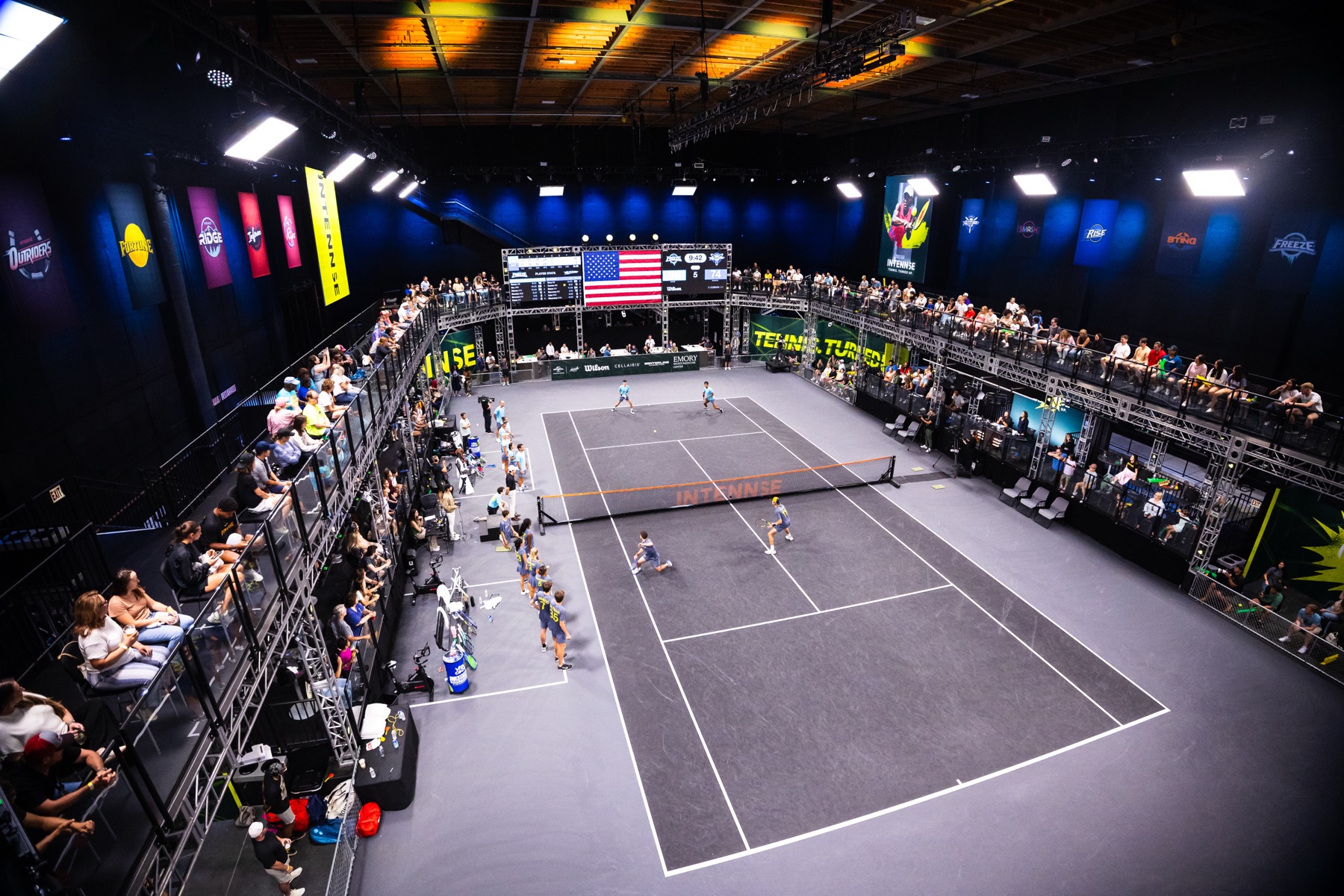
The Sting went 6–2 in 2026, finished first in the Eastern Conference and reached the semifinals. On semifinal night, when DJ Irie walked in with the team, the building felt it.
“The Sting, the league, the format – this is something I genuinely believe in, and I’m excited to bring my community along for the ride.”
DJ Irie · 29 May 2026
The team today
Head coach Natalie Pluskota-Hamberg played professionally after Tennessee and coached at Arkansas and Gonzaga. The roster already speaks Miami’s languages: Juan Carlos Aguilar, the 2016 US Open boys’ doubles champion, was born in London to a Bolivian family, raised in Montreal, and speaks Spanish, French and English; Jessica Hinojosa of Guadalajara played for Mexico on the WTA tour. Tatiana Sasnouskaya led the team in scoring.
Players are drafted onto teams and paid a $40,000 base to compete, with total earnings of up to $70,000 over the season. Three men, three women, one team score.
■ The calendar
Miami already has a tennis season. It lasts two weeks.
More than 420,000 people came to the Miami Open this March. Then the city’s professional tennis leaves until next spring. The Sting would fill the months in between — and join the calendar Miami already keeps.
Miami Open
Two weeks at Hard Rock Stadium, then Ultra and Music Week.
The Sting
An eight-week professional season, for the people who are still here in summer.
Irie Weekend
Game, Set & Give at Flamingo Park, with the Sting on court.
Art Basel
A Sting night in the week the world comes to Miami Beach.
Miami–Fort Lauderdale–West Palm Beach, 2025 Census estimate.
The seventh-largest county in the country.
Four stadium sell-outs in two weeks.
Why summer is the opportunity
Miami’s visitor calendar peaks in winter and spring. Summer belongs to the people who live here — and the Sting would be built for them first: evening matches, covered and night-lit courts, and a team that is in town when most of the big events are not.
■ The sound of the Sting
Every match night, scored live.
An INTENNSE match already runs on a clock, with music between points and a crowd that is allowed to be loud. In Miami the whole night could be scored live — built by a three-time championship DJ of the Miami Heat.
What that could mean
A soundscape designed for tennis rather than borrowed from basketball: tension that builds through a tiebreak, a release on the big point, and a deliberate quiet moment when the match needs one. Walk-out music for every player. A Sting sound that fans recognise before they see the court.
It is the part of the product no other owner in the league could bring, and the one that makes a match night feel like Miami rather than like anywhere else.
■ A community home
“It’s about building community.”
DJ Irie, on the Claude Pepper Park project · July 2025
The Claude Pepper Global District in North Miami includes $10 million of park upgrades — new public tennis courts among them — and an Irie Foundation Amphitheater. Its first buildings are due in 2028, the same year every INTENNSE team moves to its home market.
What the Sting could do there
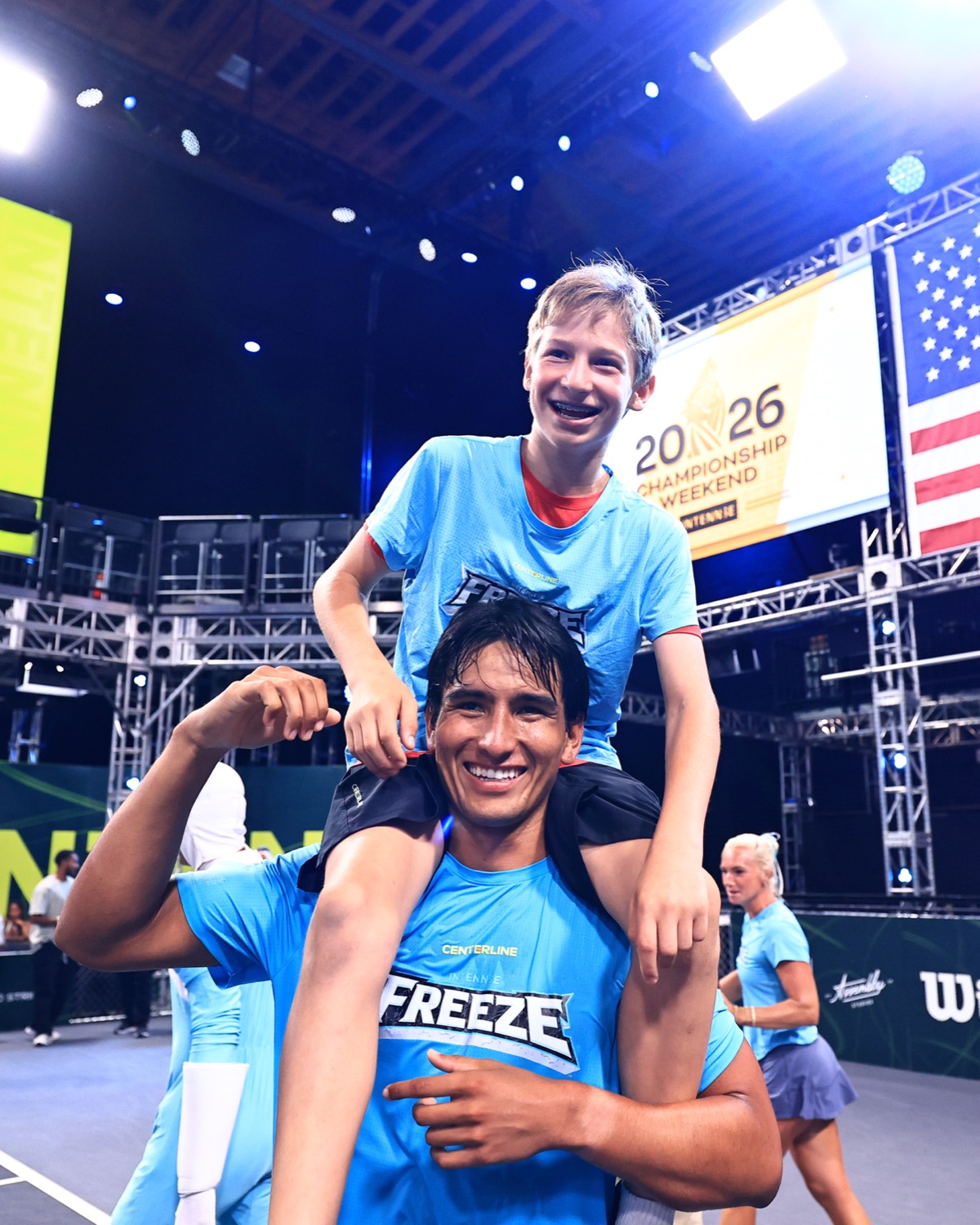
A resident team doesn’t visit a city; it lives in it. The professionals and coaches would be on those courts on ordinary days: youth clinics in the spirit of the Big Serve, an open Challenge Series draw where local players earn a place on a team coached by a professional, and a ballkeeper program that puts neighborhood kids on a professional court as part of the competition.
Brian Sidman described the project as “not just buildings, but a future that belongs to the people of North Miami.” A team the neighborhood can walk to, train beside and grow up watching is the most direct version of that we can offer.
Junior
Clinics and camps in the team format, on public courts.
School
High-school and collegiate competition on the same rules.
Club
Youth and adult leagues at partner facilities across Miami-Dade.
The Sting
A drafted professional place, in front of the home crowd.
■ After the match
Match nights that end where Irie Weekend already does.
Irie Weekend closes at E11EVEN. A Sting season could run the same route every week: the match, the dinner, and the night — players, fans and sponsors in the same rooms Miami already goes to.
The hospitality layer
Tennis at the top of the sport sells hospitality better than almost anything, and the Sting’s audience is the one Miami’s best rooms are built for. Match-night packages that carry on into E11EVEN, player appearances, sponsor evenings, and a season that lines up with Miami Spice through August.
It is the part of the business a local owner controls outright: ticketing, hospitality and local sponsorship stay with the team.
■ On the sand
The Sting on South Beach.
Beach tennis is already played on Miami Beach every week — at Lummus Park, and on permanent courts at North Beach. A Sting exhibition on the sand would be the most Miami thing a tennis team has ever done.
Why beach tennis
The game began in Italy in the 1970s, was recognised by the ITF in 2008, and is now played by more than half a million people in over fifty countries, on a world tour of hundreds of events. Miami Beach already has regular play, an Art Deco tournament and all-star weekends.
The shape we’d propose: a Sting beach weekend as a side exhibition — the team’s professionals in the same co-ed format, local beach players, music on the sand, free to watch. It brings the team to people who would never buy a ticket to a tennis match, and it looks like nowhere else in the league.
■ The path to owning it
A ten-year charter for Miami-Dade.
Owners hold an exclusive Team Charter: MLS-style, geographically bound economic rights, not a traditional franchise. Ten years, renewing in five-year terms — and the team’s Miami is yours to build.
The league keeps
- Game
- Format, rules, schedule, officiating
- Brand
- League marks and national sponsorship
- Rights
- Media and data rights
The owners hold
- Team
- Operations and team marks in the territory
- Revenue
- Local sponsorship, ticketing, hospitality, activations
- Content
- Local content within league rules
- Share
- Team merchandise, and a share of pooled league revenue
2026–27
The league operates the team while Miami events begin to build its audience.
2028
The Sting moves home. Owners appoint a GM, take ticketing, hospitality and venue, and inherit a community playbook proven over three years.
2029 on
Scale — and a share of the fees from every charter the league sells after the initial offering.
■ What we’d build together
Bring your community along for the ride.
DJ Irie said it in May. This is what it could look like by 2028: a team Miami claims as its own, a sound nobody else has, a court in North Miami, a night on the sand, and a season the city waits for.
A Sting night in Miami
An exhibition before 2028 to introduce the team to its city — built as a Sting event of its own.
The soundscape
Designing the sound of an INTENNSE match with you, starting in Season 3.
Game, Set & Give
The Sting on court at Irie Weekend, and its players in the Big Serve clinics.
The charter
Terms, territory and the path from league-operated to owner-operated, walked through in full.